In the fast-paced world of healthcare, where every second matters, Hospital Facilities Managers are the unsung heroes ensuring the smooth functioning of hospital facilities. At the heart of their responsibilities lies a critical task: safeguarding the operating rooms and the life-saving equipment within.
A momentary power outage during a surgical procedure can have devastating consequences.
This article explores the essential role of battery backup emergency power in healthcare facilities, with a particular focus on how it guarantees the protection of critical equipment in operating rooms.
The Importance of Backup Power in Healthcare Facilities:
Hospital Facilities Managers are well aware that uninterrupted power is the lifeline of any healthcare facility. Power disruptions can lead to catastrophic situations, jeopardizing patient safety, and compromising medical procedures. 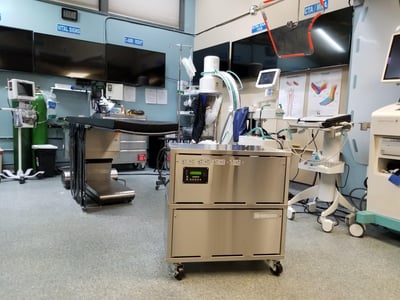
The need for robust backup power systems is not limited to emergency rooms and intensive care units alone; operating rooms demand the utmost attention, as they are the core of surgical interventions that save lives.
Ensuring Seamless Surgical Procedures:
The stakes are high in operating rooms, where precision and accuracy are paramount. Battery backup emergency power plays a crucial role in ensuring the uninterrupted operation of critical equipment during surgical procedures.
Advanced uninterruptible power supply (UPS) systems instantly switch to battery power in the event of a mains failure, allowing surgeons and medical staff to continue their life-saving work without any disruptions.
The Guardian of Life-Saving Equipment:
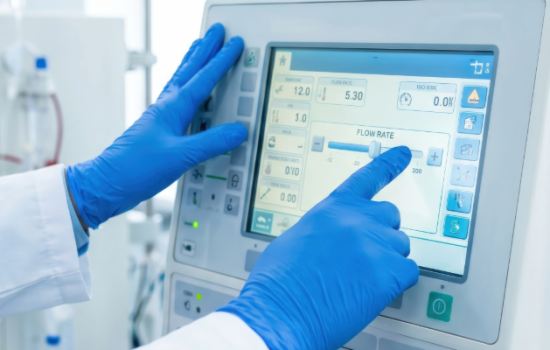
Anesthesia machines, surgical lights, heart monitors, and ventilators are just a few examples of the essential equipment found in operating rooms. These devices are the silent heroes that aid medical professionals in their quest to save lives. Battery backup emergency power serves as a vigilant guardian, standing ready to provide seamless electricity supply to these life-saving machines when the primary power source falters.
Safeguarding Medicines and Biomedical Materials:
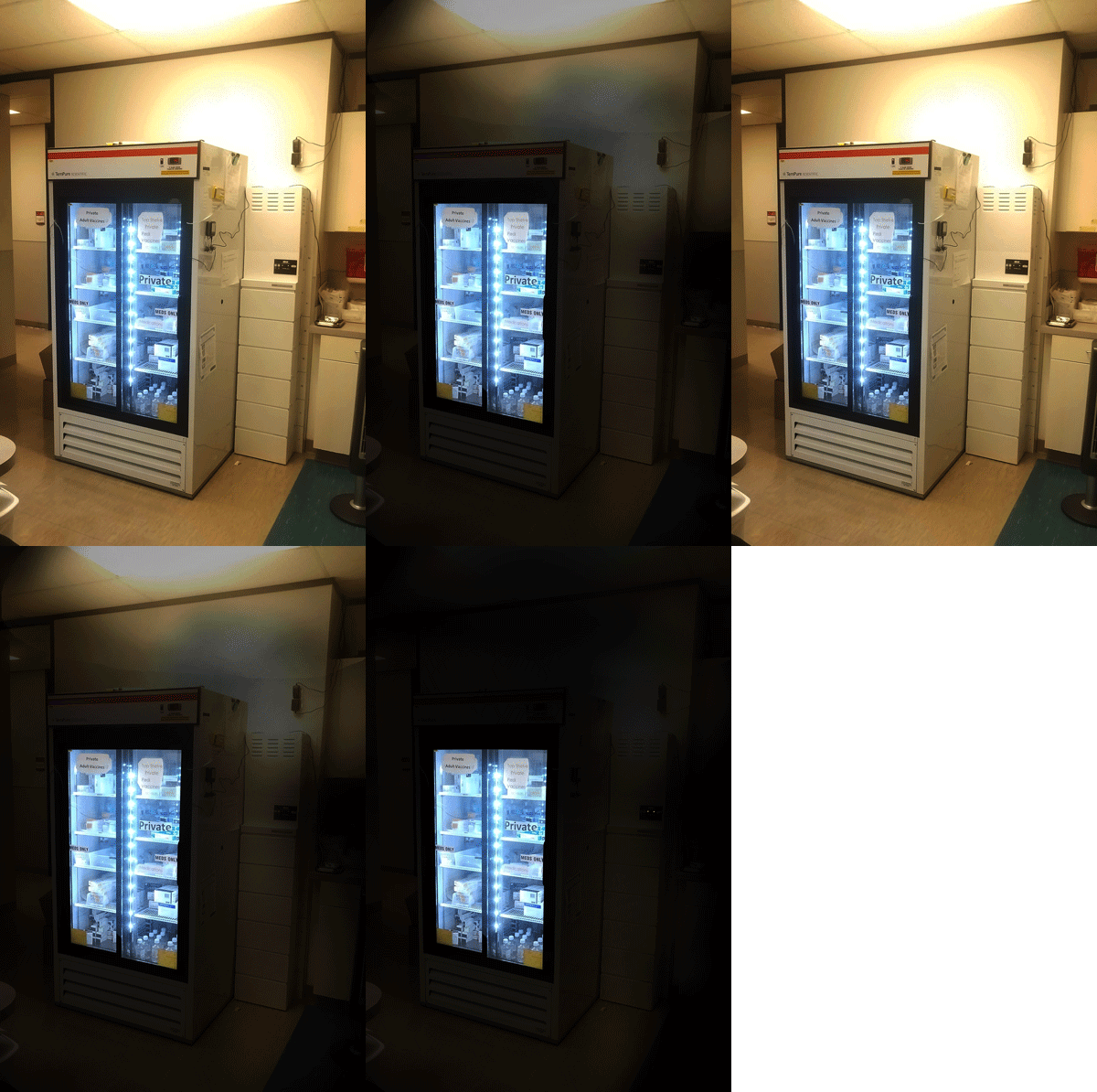
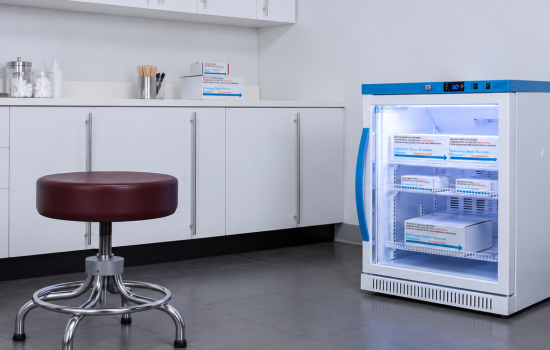
Healthcare facilities are entrusted with the storage of a vast array of medicines and biomedical materials, each vital for patient care and medical research. Many of these materials, such as vaccines and samples, are highly sensitive to temperature fluctuations.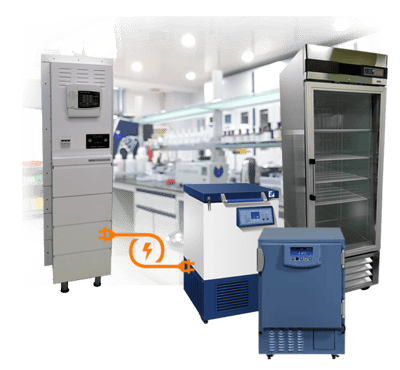
A power outage can compromise their integrity, rendering them useless or even hazardous. Battery backup systems come to the rescue, ensuring a stable power supply to refrigerators and freezers, protecting these invaluable resources from the detrimental effects of power failures.
Embracing the Future of Healthcare:
Innovation is at the heart of the healthcare industry, and embracing cutting-edge technologies is essential for progress. Advanced battery backup systems incorporate intelligent monitoring and management features, providing Hospital Facilities Managers with real-time insights into power consumption, battery health, and system performance. This proactive approach allows for preventive maintenance and reduces the risk of unexpected system failures.
Preparing for Unforeseen Events:
Natural disasters and other unforeseen events can disrupt the power supply to healthcare facilities, putting patients’ lives in jeopardy. Battery backup emergency power stands as a steadfast ally in such challenging times, ensuring that medical staff can continue to provide quality care and life-saving interventions, even when facing the most adverse circumstances. 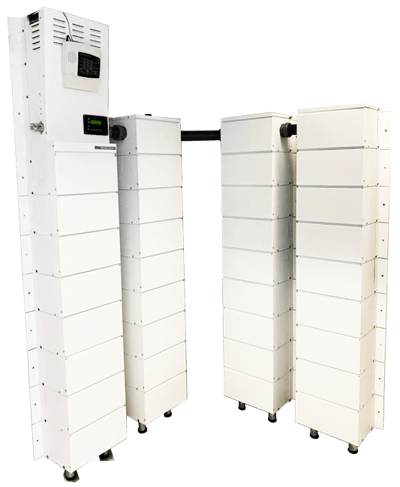
Backup power should be at the very top of your facility’s emergency preparedness plan. According to the United States Energy Information Administration (EIA), both the number of outages and average outage time for all end users has doubled since 2013. This means facilities are experiencing longer and more frequent outages than ever before.
Conclusion
In the realm of healthcare, battery backup emergency power is the silent guardian, ensuring the protection of critical equipment in operating rooms and preserving the safety of patients, medicines, samples, and vital biomedical materials.
Hospital Facilities Managers shoulder the tremendous responsibility of maintaining reliable power, and investing in robust backup power systems is an investment in patient safety and optimal healthcare delivery.