The Vulnerability of Chemotherapy Medications
In oncology centers, the administration of chemotherapy is a critical component of patient care. These powerful medications play a crucial role in fighting cancer and improving the quality of life for patients. However, chemotherapy medications are highly sensitive to environmental factors, and maintaining their efficacy is of utmost importance.

The Impact of Power Outages
Power outages can have catastrophic consequences, disrupting patient care and compromising the integrity of chemotherapy medications. Temperature fluctuations caused by power disruptions may render these life-saving drugs ineffective, potentially jeopardizing patient outcomes.
Protecting Patients’ Well-Being: The Role of Backup Power
In the healthcare realm, backup power is the guardian of patient safety during power outages. Hospitals and oncology centers rely on backup power systems to ensure continuous care and protect critical medical resources.
The Role of Backup Power in Hospitals
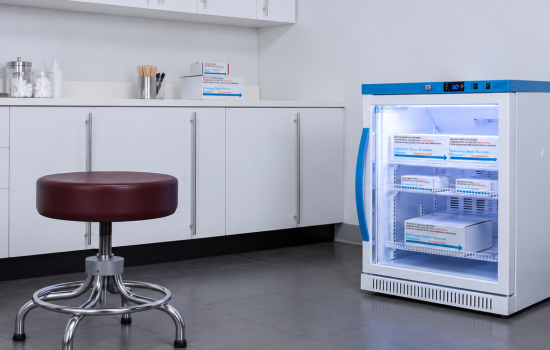
Backup power in hospitals is a lifeline during emergencies. It provides a seamless transition during power outages, allowing vital medical equipment to operate without interruption. This includes life support systems, imaging machines, and, crucially, temperature-controlled storage units for vaccines, medicines, and test samples.
Safeguarding Vaccines, Medicines, and Test Samples
Beyond chemotherapy medications, oncology centers handle various vaccines, essential medicines, and invaluable test samples. Each of these resources is sensitive to temperature changes and requires stringent protection.
By implementing backup power systems, oncology centers can ensure that temperature-controlled storage units remain operational during power outages. This crucial capability shields vaccines from temperature deviations, preserving their potency and protecting public health.
Similarly, backup power systems safeguard critical medicines, maintaining their stability to provide uninterrupted patient care. In the case of test samples, the integrity of research findings is preserved, preventing data loss during power disruptions.

The Intersection of Backup Power and Patient Safety
When backup power and patient safety converge, the well-being of patients remains at the forefront of care. During power outages, backup power systems provide continuous electricity, ensuring seamless patient care and maintaining the effectiveness of chemotherapy medications.
Advancements in Backup Power Solutions
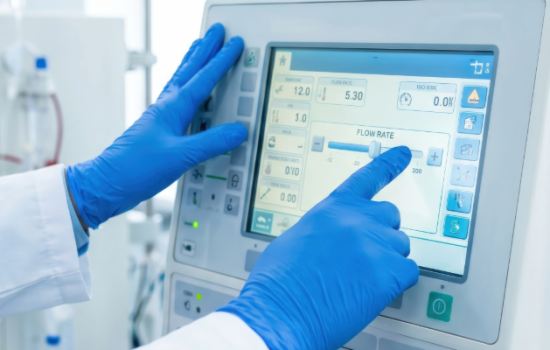
As technology advances, backup power solutions continue to evolve. Innovative backup power systems offer real-time monitoring and remote access capabilities, allowing staff to respond proactively to potential issues.
With automated alerts and smart monitoring, oncology centers can take prompt action to prevent disruptions in patient care and protect valuable medical resources during power outages.
Conclusion
In conclusion, safeguarding chemotherapy medications during power outages is crucial to protecting your patients’ well-being. The importance of backup power in hospitals and oncology centers cannot be overstated – it is the lifeline that ensures uninterrupted patient care and preserves the efficacy of life-saving resources.
By embracing innovative backup power solutions and implementing comprehensive protection measures, oncology centers can elevate patient safety to new heights. Protecting vaccines, medicines, and test samples is integral to providing the best possible care and achieving positive patient outcomes.
In the high-stakes world of healthcare, resilience through backup power is non-negotiable. By considering the critical role of backup power and safeguarding sensitive biomedical materials, healthcare professionals can design facilities that prioritize patient care, preserve invaluable resources, and support medical advancements.
Once the power goes out, the clock starts.

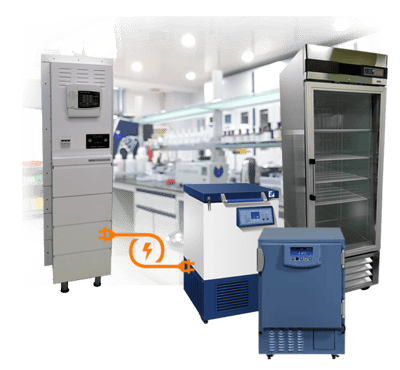
Battery backup systems offer instant and automatic power for both medical equipment and laboratory appliances alike. No staff needs to be on-site to monitor or start the generator. Valuable samples and inventory will stay safe without any extra effort.
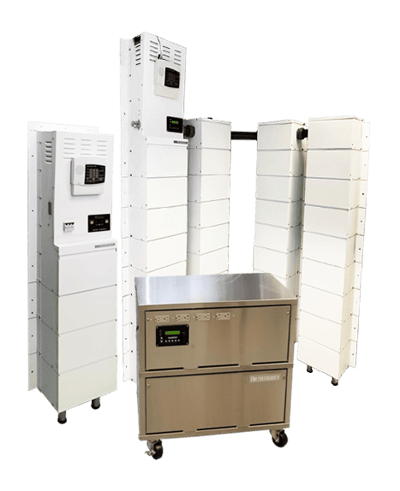
Their shape is vertical like a cabinet, and their batteries don’t leak. This means they can fit into small spaces and be positioned in any way. Meaning now matter how crowded your vaccine or sample room is, you can ensure you’ll be protected.
Plus, if your lab or storage room is truly tight on space, a hardwired backup power unit can instantly supply remote power to your appliance. It does so via the outlet its already plugged into.
No matter what system you choose, it will protect your biomedical and chemical samples from power loss. It guarantees a smooth switch from utility power to backup power, avoiding temperature excursions.
And for Facilities who perform outpatient operations, battery power instantly engages, keeping your operations going with zero downtime due to their advanced battery technology.
Even better, is that battery generators can be outfitted with as much power as you want. So system’s can be designed with enough power to protect a facility’s inventory:
- Overnight
- All day
- Over a weekend
- Or even for a whole week.
So, to protect your facility from tens of thousands of dollars in lost inventory speak to a Medi-Products battery backup expert.
They’ll help design you a system that both meets your power needs and will fit inside your facility—for a much lower cost than what your vaccines are worth. So a backup power system pays for itself the first time your power goes out.
Designing a system for you is as easy as taking a picture of your appliance’s nameplate, and a photo of the room where it’s in.
Then, you just email both photos to our Product experts, and we’ll provide you with multiple options for backup power protection.
At Mediproducts, we provide you with all the help you need to keep up with NFPA 99 changes, including all relevant local and regional standards. If you have questions about meeting NFPA requirements for your emergency and electrical power systems, contact us. We will be happy to answer all of your questions.
For more information contact: 1.800.7653237