California has faced significant challenges this year, with 6,190 wildfires consuming 198,815 acres of land. These fires continue to affect communities, leaving many without power, food, water, and shelter. Firefighters are working tirelessly to combat these blazes, while hospitals struggle to maintain the integrity of essential medications stored in refrigerators and freezers.
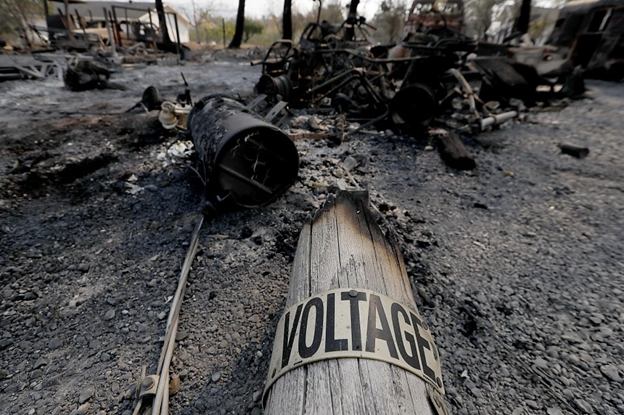
Power Lines & Dry Environment Causing Wildfires
Following a four-year drought, California is left with an abundance of dry vegetation. This, combined with an aging power delivery infrastructure, creates a hazardous environment conducive to wildfires. For instance, the Kincade Fire was reportedly ignited by a faulty jumper cable on a Pacific Gas & Electric (PG&E) transmission tower. High winds, dry vegetation, and power lines have been recurring factors in wildfire outbreaks. In late 2017, PG&E’s equipment was linked to over 12 wildfires.
Intentional Power Outages to Prevent Wildfires
To mitigate the risk of wildfires, PG&E has implemented power shutoffs during periods of high wind and dry conditions. These Public Safety Power Shutoffs (PSPS) are designed to reduce the likelihood of fires igniting from electrical infrastructure. While these measures aim to prevent disasters, they also result in widespread power outages affecting millions of residents and businesses.
Effects of These Power Outages
The intentional power outages have far-reaching consequences. Small businesses are forced to close, schools cancel classes, and hospitals face the potential loss of critical medications and equipment. Vaccines and other temperature-sensitive medications are at risk of spoiling, leading to financial losses and compromised patient care.
How to Cope with Power Outages
While power outages can be disruptive, there are steps you can take to prepare:
- Learn how to manually operate automatic gates and garage doors.
- Keep essential items, like shoes and flashlights, near your bed in case of nighttime evacuations.
- Stay informed about potential outages through local alerts and utility notifications.
For more information on preparing for power outages, visit the Ready for Wildfire
Learn More About Battery Backup Power
To answer even more of your questions and find additional solutions to problems that could affect your medical facility or laboratory, check out these other articles from the EverSafe blog and the EverSafe Learning Center: