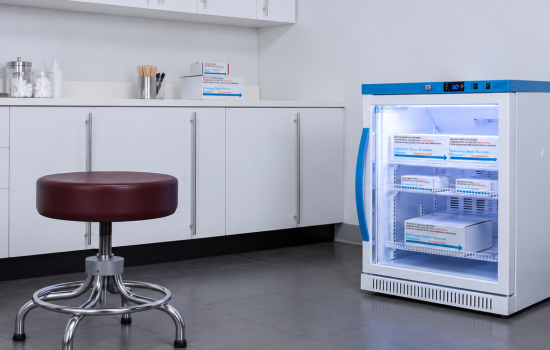
Every provider storing vaccines should be implementing best practices for vaccine storage and handling. Vaccine storage temperatures are critical and can hinder the vaccines effectiveness, if vaccines storage guidelines are not held to. The costs of a vaccine fridge failure can be high for a clinic, hospital or medical office that may be storing a larger quantities of vaccines.
Steps For Vaccine Loss Prevention:
1. Have An Emergency Vaccine Storage Protection Plan
Every clinic should have a written plan for vaccine storage and handling protection during a power outage or emergency. A few actions this vaccine backup plan should be:
- As soon as possible document the time you lost power.
- Document the refrigerator temperature every ½ hour (do not do this by opening the refrigerator door have an external thermometer)
- Put a DO NOT OPEN UNTIL POWER IS RESTORED sign on the door of the refrigerator
- If you do not have a vaccine refrigerator battery backup, you should form an agreement with a nearby hospital or nursing care facility that would have a standby generator that you can transfer your vaccines to for storage until the power is restored.
2. Have An Emergency Vaccine Transport Plan
Vaccine storage appliances are all vulnerable to failure at some point, either due to power outages, breakdowns, or regular wear and tear. So, you should have a working agreement with at least one alternative storage facility where you will have 24-hour access in addition to other emergency backup options. Facilities that fit the bill in this regard include hospitals, long-term care facilities, state depots, the Red Cross, fire stations, packing plants, and commercial pharmacies. Some points to keep in mind before transporting would be:
- Ensure that you can access your facility’s building after regular business hours
- Keep flashlights, spare batteries, keys and transport coolers and equipment accessible.
- Pack vaccines in a qualified containers with a TMD (temperature monitoring device), and ensure contents remain within the optimal temperature range
3. Take Preventive Measures
We cannot always prevent emergencies, but there are a number of steps we can take to limit them and their effects.
- Identify and label the circuit breaker in the panel which the vaccine fridge is plugged into.
- Make sure the fridge is on a dedicated circuit in the panel.
- Post DO NOT UNPLUG signage over the outlet the fridge is plugged in or install a safety lock over the plug.
- If you do not have a vaccine refrigerator battery backup, you should form an agreement with a nearby hospital or nursing care facility that would have a standby generator that you can transfer your vaccines to for storage until the power is restored.
- Make sure the fridge power cord out of sight where it will not be accidently unplugged or tripped on.
- Place a large jug full of water inside the refrigerator. This will assist keeping the temperature inside the fridge stable if the door gets open and shut often or open at all during a power failure.
- Install a temperature alarm which will alert you when the refrigerator temperature changes.
- Ask your building alarm company to configure your alarm system to alert you when the power in your building fails.
4. Have An Emergency Backup Power Source
Sometimes it can be dangerous to transport vaccines in a power outage. You will not want to go out at night during a storm, as there can be road closures and other unknowns. A better option would be to have an emergency backup power source such as an on-site generator, or a battery backup system in place. This will prevent the need to transport your vaccines anywhere or even move them out of the storage unit. Consider applying the following guidelines:
- Ensure that you have sufficient fuel or battery power to keep the on-site generator running for at least 24-48 hours.
- Test your generator or battery backup system regularly to ensure it is working correctly.
- Consult the manufacturer’s service manual for maintenance instructions
5. Learn About Vaccine Refrigerator Battery Backup Systems
Medi-Products offers a battery backup system that is simple to install, use, and maintain. These systems will be custom built to support your specific appliances, for your desired runtime. To learn more visit our vaccine refrigerator battery backup page, or request an assessment below.