Outpatient surgery centers and ambulatory surgery centers (ASCs) play a crucial role in providing efficient, cost-effective, and patient-centric care. However, to ensure seamless operations and instill confidence in patients and medical professionals alike, these centers must navigate through a complex web of certifications and approvals.

If you’re a healthcare entrepreneur or a medical professional planning to establish your own surgery center, you might find the approval process daunting and overwhelming. But fear not! In this article, we shed light on the essential certifications needed for your surgery center’s approval, all while emphasizing the criticality of backup power in healthcare facilities and safeguarding patients, medicines, vaccines, test samples, and other vital biomedical materials.

Achieving Accreditation: The Gold Standard of Quality Care

The first and perhaps most crucial certification for surgery centers is accreditation from reputable organizations. The Accreditation Association for Ambulatory Health Care (AAAHC) and The Joint Commission are two prominent accrediting bodies. Obtaining accreditation is a testament to your center’s commitment to providing safe, high-quality care.
During the rigorous evaluation process, your center will be assessed on a range of factors, including patient safety protocols, infection control measures, and adherence to industry best practices.
Backup Power Solutions: A Lifeline in Critical Situations
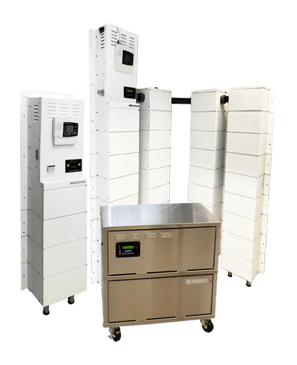
One certification that is often overlooked but is equally vital is compliance with backup power requirements. In the fast-paced world of healthcare, a reliable power supply can mean the difference between life and death. Power outages can disrupt surgeries, jeopardize patient safety, and compromise the integrity of critical biomedical materials.
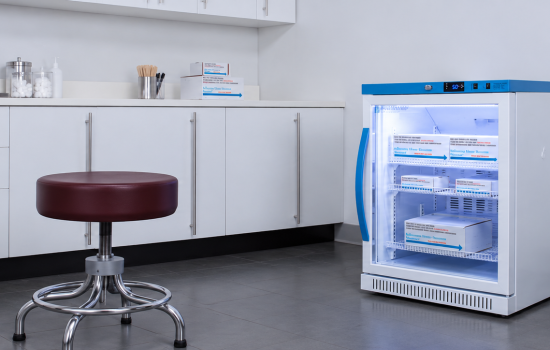
To safeguard patients, medicines, vaccines, and test samples, surgery centers must invest in backup power solutions such as uninterruptible power supply (UPS) systems and emergency generators. Meeting the certification for backup power ensures your center can operate seamlessly during unexpected blackouts, maintaining patient care and preserving invaluable medical resources.
Staff Licensing and Certification: Ensuring Competent Care
The skill and expertise of your staff are instrumental in providing top-notch medical care. Ensure that all medical professionals working in your surgery center possess the necessary licenses and certifications.
This includes surgeons, nurses, anesthesiologists, and any other medical personnel directly involved in patient care. Staff licensing and certification not only demonstrate competence but also bolster the confidence of your patients and instill trust in referring physicians.

Compliance with State and Federal Regulations: The Legal Framework
Surgery centers must navigate a web of state and federal regulations to gain approval for operation. This includes obtaining the necessary licenses, permits, and registrations required by the state health department.
Additionally, compliance with federal regulations, such as the Centers for Medicare and Medicaid Services (CMS) conditions for coverage, is critical for centers that intend to provide services to Medicare and Medicaid beneficiaries.
Ongoing Quality Improvement: Striving for Excellence

Obtaining certifications is not a one-time accomplishment; it’s an ongoing commitment to quality improvement.
Engage in regular performance reviews and quality assessments to identify areas for enhancement and maintain high standards of care. Embrace a culture of continuous learning and improvement, involving your staff in this pursuit of excellence.
CONCLUSION
Navigating the approval process for your surgery center may seem like a daunting task, but with the right information and commitment, it becomes an achievable goal. Acquiring essential certifications, such as accreditation, backup power compliance, staff licensing, and infection control, lays the foundation for a successful and patient-focused surgery center.
Remember, the journey doesn’t end with obtaining certifications; it’s an ongoing commitment to delivering safe and efficient care. Embrace the responsibility of protecting patients, medicines, vaccines, test samples, and other crucial biomedical materials through reliable backup power solutions. By meeting the necessary certifications and adhering to industry best practices, your surgery center will be poised for success and make a positive impact on the lives of patients and the community you serve.