Tropical Storm Bertha is expected to make landfall in southeastern Louisiana Wednesday, bringing tropical storm-force winds, heavy rainfall, storm surge, and localized flooding to portions of the Gulf Coast. While forecasters expect overall damage to be more limited than initially feared, the storm still poses significant risk to people, businesses and infrastructure.
Bertha is the second named storm of the 2026 Atlantic hurricane season and is tracking westward along the northern Gulf Coast with sustained winds reaching approximately 50 to 60 mph. Tropical Storm Warnings were issued from parts of the Florida Panhandle westward into Louisiana, including the New Orleans metropolitan area, while coastal flood warnings remained in effect for portions of Louisiana and Mississippi. Forecasters also warned of isolated flash flooding from western Florida through the upper Texas coast.
Potential Impact Local Power Infrastructure
Although meteorologists are not anticipating Bertha will strengthen into a hurricane, the storm can still produce conditions capable of causing scattered power outages. Fallen tree limbs, localized flooding, and damage to distribution equipment can interrupt electrical service even when a storm remains below hurricane strength. In many cases, utilities must inspect and repair damaged infrastructure before restoring power, extending outages beyond the period of severe weather itself.
An Outlook on the Rest of Hurricane Season
Bertha serves as an early reminder that the most active months of Atlantic hurricane season are still ahead. While NOAA's seasonal outlook calls for a below-average number of named storms this year, meteorologists continue to emphasize that it only takes one storm affecting the wrong location to cause significant disruption. Warm Gulf waters remain capable of fueling tropical systems, even when atmospheric conditions limit their development.
How Pharmacies Can Prepare for Tropical Storm Bertha and Beyond
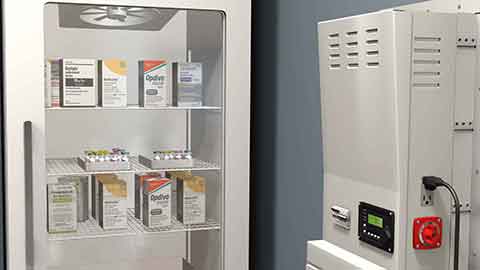
For pharmacies, storms like Bertha provide a reminder to review emergency preparedness before the next system develops. Facilities should confirm that battery backup systems have been tested, verify that runtime is sufficient to protect refrigeration containing vaccines, insulin, biologics, GLP-1 medications, and other temperature-sensitive inventory, ensure temperature monitoring and alarm systems are functioning properly, and review staff response procedures for extended outages. Taking these steps before severe weather arrives can help protect valuable medications, maintain regulatory compliance, and minimize disruptions to patient care when the grid becomes unreliable.