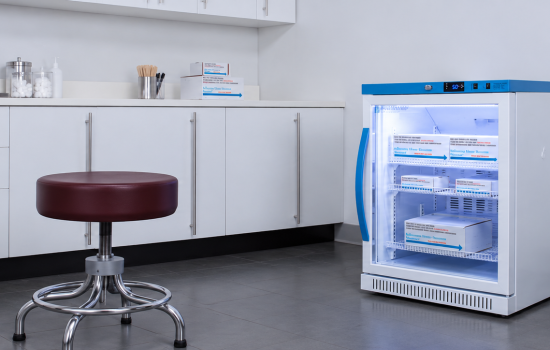
For many pharmacies, power continuity has traditionally been viewed as an operational concern rather than a capital investment. Backup power is often discussed only after an outage occurs—when medications are lost, workflows are disrupted, and teams are forced into reactive mode.
As pharmacies head into 2026, that mindset deserves a closer look. Deterioration in grid reliability, increases in medication value, and changes in regulatory expectations mean that power continuity is no longer just about convenience or preparedness. It has become a financial, operational, and compliance issue—one that increasingly belongs in the annual capital planning conversation.
The real cost of a brief power outage
The problem is not simply that outages happen. It is that when they happen, healthcare refrigeration has very little tolerance for Refrigeration failures don’t require long outages to become costly. In many pharmacies, even a short interruption can lead to temperature excursions that compromise vaccines and refrigerated medications. Once temperature integrity is lost, inventory may need to be discarded—regardless of whether power is restored minutes later.
With the continued growth of specialty medications, biologics, and vaccines, the dollar value of refrigerated inventory has increased significantly. It is no longer uncommon for a single refrigerator or freezer to contain tens of thousands of dollars’ worth of product. In that context, the cost of a battery backup system designed to protect refrigeration often represents a fraction of the potential loss from a single event.
Insurance coverage, when available, does not always fully offset these losses. Claims can be complex, reimbursement may be partial, and the administrative burden falls on already busy pharmacy teams. More importantly, insurance does little to address the immediate disruption to patient care and operations.
Power outages are becoming more common, not less
Many healthcare facilities still treat power outages as rare or unpredictable events. In reality, outages are becoming more frequent across both urban and rural areas due to aging infrastructure, increased demand on the grid, and more extreme weather patterns.
Planned outages, rolling blackouts, and localized grid failures are increasingly part of everyday operations. While hospitals and large medical centers often have built-in generator systems, pharmacies—especially independent and community locations—are frequently left exposed.
Relying on “good luck” or hoping that outages remain brief is no longer a reliable strategy. For pharmacies that depend on continuous refrigeration, power interruptions are not a matter of if, but when.
Compliance expectations continue to rise
Beyond financial loss, power interruptions carry regulatory implications. Guidance from the CDC, the Vaccines for Children (VFC) program, and state boards of pharmacy consistently emphasizes strict temperature control, proper documentation, and contingency planning.
In the event of a temperature excursion, pharmacies may be required to:
- Quarantine affected medications
- Document temperature logs and corrective actions
- Consult manufacturers or public health authorities
- Potentially discard inventory and report the incident
While regulations do not always mandate a specific backup power solution, they do expect pharmacies to demonstrate that reasonable steps have been taken to prevent and mitigate risk. Increasingly, having no plan—or relying solely on manual intervention during an outage—can raise questions during audits or inspections.
From a compliance perspective, power continuity is becoming part of broader risk management and quality assurance discussions.
Why CAPEX planning matters
One of the most common reasons pharmacies delay investing in backup power is timing. When an outage happens unexpectedly, decisions are rushed, budgets are strained, and solutions are implemented reactively—often at a higher cost.
The beginning of the year presents a different opportunity. CAPEX planning allows pharmacy leaders to:
- Assess risk calmly and proactively
- Compare solutions based on needs rather than urgency
- Allocate funds deliberately instead of reacting to emergencies
Including power continuity in the 2026 capital budget reframes it from an “unexpected expense” to a planned investment in resilience. It also allows organizations to prioritize critical systems—such as refrigeration—without overengineering or overspending.
Backup power protects more than inventory
While medication loss is often the most visible consequence of an outage, it is not the only one. Power disruptions can affect:
- Workflow and dispensing operations
- Staff productivity and morale
- Patient trust and satisfaction
- Emergency response and after-hours labor
Pharmacies serve as critical healthcare access points in their communities. When operations are disrupted, the impact extends beyond balance sheets. Protecting continuity supports patient care, reinforces reliability, and reduces stress on pharmacy teams during already challenging situations.
A practical approach to power continuity
Modern battery backup systems are designed to provide targeted protection for critical equipment rather than powering entire facilities. For many pharmacies, this means focusing on refrigeration first—ensuring that vaccines and temperature-sensitive medications remain protected long enough to ride through short and medium-duration outages.
These systems are typically:
- Compact and quiet
- Easy to integrate into existing environments
- Designed for predictable performance and minimal maintenance
By right-sizing solutions to actual risk, pharmacies can achieve meaningful protection without unnecessary complexity.
Looking ahead to 2026
As pharmacies prepare for the year ahead, power continuity deserves a place in strategic planning discussions. The combination of higher inventory value, increased outage frequency, and evolving compliance expectations makes inaction increasingly costly.
Budgeting for backup power is not about preparing for worst-case scenarios—it is about acknowledging today’s operational realities and taking reasonable steps to protect patients, inventory, and staff.
The cost of doing nothing can no longer be ignored.
For pharmacy leaders reviewing CAPEX priorities this year, 2026 is an opportunity to move from reactive risk management to proactive resilience—before the next outage forces the conversation.
To find out more about how you can procure a reliable battery backup power system that can handle your pharmacy refrigeration needs, call Medi-Products at 1.800.765.3237 or fill out the form below today.